Traffolyte Labels and Switchboard Engraving in Brisbane: A Sparky's Guide
If you are labelling a switchboard, a control panel or a plant room, you want labels that are still readable in ten years. Printed labels are not that. Engraved two-colour laminate is.
This is what the material is, how to specify it, and what we supply from our Brisbane workshop.
What “traffolyte” means
Traffolyte started as a brand name for a laminated phenolic sheet and became the trade word for any rigid two-colour engraving laminate. Ask for a traffolyte tag anywhere in Australia and everyone knows what you mean, whatever the sheet is actually made of.
The construction is the point. The sheet has a thin coloured cap over a core of a contrasting colour. Engraving cuts through the cap and exposes the core, so the lettering is the material rather than something applied to it.
That is why it outlasts print. There is no ink to fade, no film to lift, no toner to abrade. The only way to remove the text is to remove the material.
What we supply: UNI-ABS, a two-colour engraving laminate that does the same job as traditional phenolic traffolyte. It engraves cleanly, holds a crisp edge on small text, and is tougher against impact than phenolic, which can be brittle.
Engraved versus printed, honestly
| Engraved laminate | Printed label | |
|---|---|---|
| Text permanence | Part of the material | Surface ink or toner |
| UV and heat | Unaffected | Fades, yellows, can lift |
| Solvents and cleaning | Unaffected | Can smear or dissolve |
| Abrasion | Survives | Wears off |
| Unit cost | Higher | Lower |
| Suits | Anything permanent or inspected | Temporary, indoor, low-wear |
Printed labels have their place — temporary identification, a domestic board that lives in a hallway cupboard. For switchgear, plant rooms, marine work, external enclosures or anything an inspector will read years from now, engraved is the answer.
Colour conventions
Colour carries meaning on a board before anyone reads the text, and consistency across a site matters more than any single choice. The combinations we stock:
| Colourway | Typically used for |
|---|---|
| Matte white / black core | General circuit identification, the default for most boards |
| Red / white core | Danger, emergency stop, isolation, safety-critical |
| Matte yellow / black core | Warning and caution, high-visibility identification |
| Blue / white core | Mandatory instruction, service identification |
| Brushed aluminium / black core | Asset tags, equipment plates, front-of-house panels |
| Brushed gold / black core | Presentation and architectural work |
A note on compliance: colour and labelling requirements for electrical installations are set by the wiring rules and by the specification for the job, and they are the responsibility of the licensed electrician or the specifier. We cut what you specify. If your job has a schedule, send it and we will follow it exactly.
What to send us
The fastest quote comes from four things:
- The text for each label, exactly as it should read. A spreadsheet with one row per label is ideal — that is how we prefer to receive a board schedule.
- Size, or the space you have to fit into if you are not sure.
- Colourway, per label or per group.
- Fixing method — adhesive backing, or drilled for screws or rivets, and where the holes go.
If you send a photo of the existing board with the schedule, we will match the layout so the new set drops straight in.
Practical points that save rework
Check the text before you order, not after. Engraving is permanent. A typo in a circuit description is a reprint, not an edit. We send the layout for approval before cutting for exactly this reason.
Think about text length at size. “AIR CONDITIONING COMPRESSOR UNIT 2” on a 50mm tag means very small characters. Either go larger, abbreviate consistently across the board, or run two lines. We will tell you if what you have asked for will be hard to read.
Order spares. The marginal cost of a few extra tags on the same run is tiny compared with a second order, second minimum and second trip. Boards change.
Screws beat adhesive on hot or oily surfaces. Adhesive is quicker and fine indoors on clean metal. Anywhere warm, greasy or outdoors, drilled and screwed stays put.
What we make
From our workshop at Eatons Hill in north Brisbane:
- Switchboard and distribution board labels
- Circuit identification and schedules
- Control panel and console legends
- Machine and equipment labels
- Marine switch and panel labels
- Valve, asset and plant tags
- Safety and warning signage
Labels start at $2.80 each. Bulk and repeat pricing is available for contractors running the same set across multiple sites, and we hold specifications on file so a repeat order is one email.
Turnaround
We send a layout for approval, usually within one to two business days. Once approved, engraving and dispatch happen within two business days. Free shipping Australia-wide on orders over $99, everything tracked, and priority available if you are holding up a commissioning date.
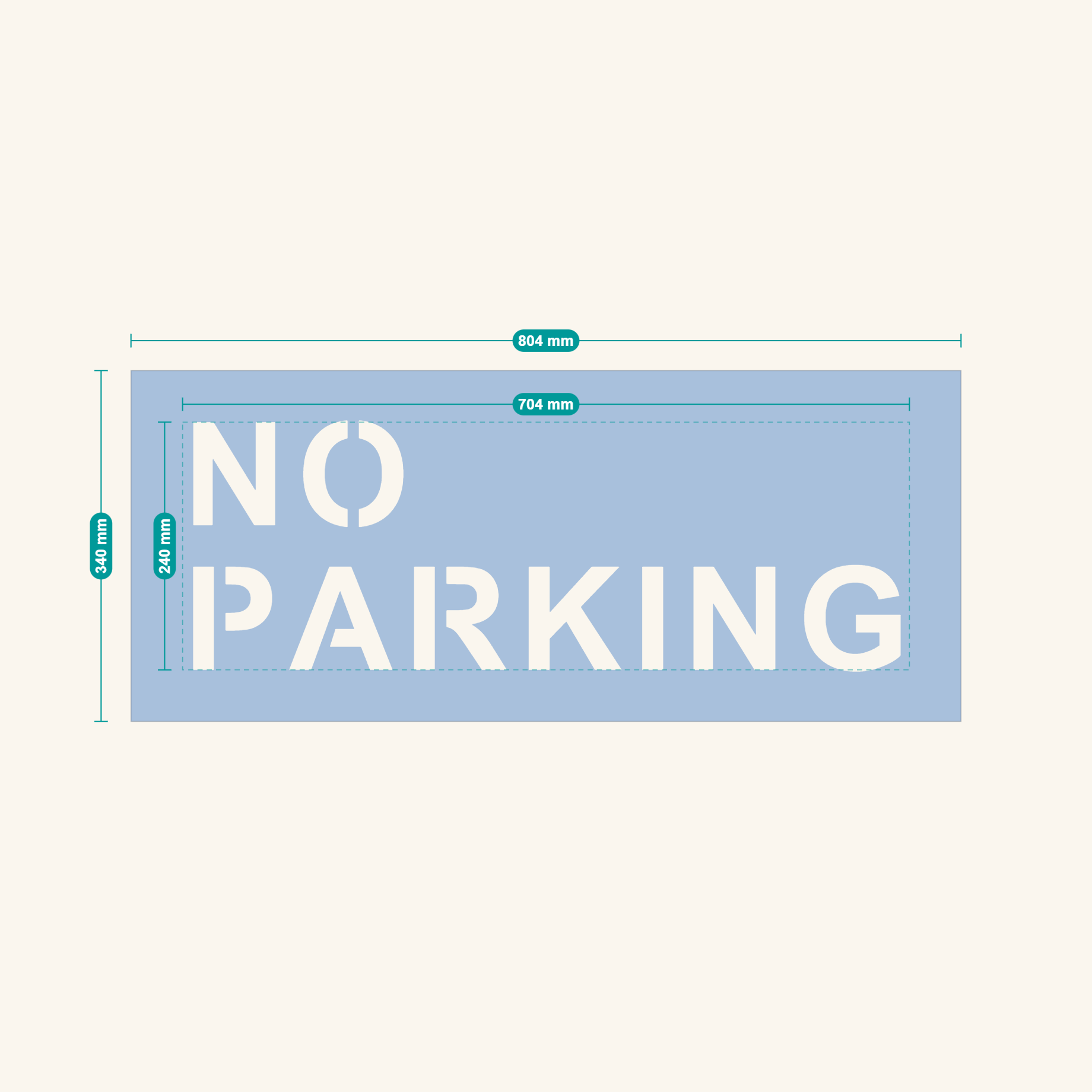
We also do the rest of the identification job — laser cut acrylic panels, engraved plaques, and custom stencils for floor marking and plant room signage — so one supplier can cover a whole site.
Getting a quote
Email your schedule to info@tinkable.com.au or call 0418 873 436. Quotes are free, there is no minimum order, and if you send a spreadsheet we will quote from it directly.
Trade collections are welcome by arrangement at 5 Othello Ct, Eatons Hill QLD 4037 — contact us first so we can have the order ready.

Leave a comment
This site is protected by hCaptcha and the hCaptcha Privacy Policy and Terms of Service apply.