
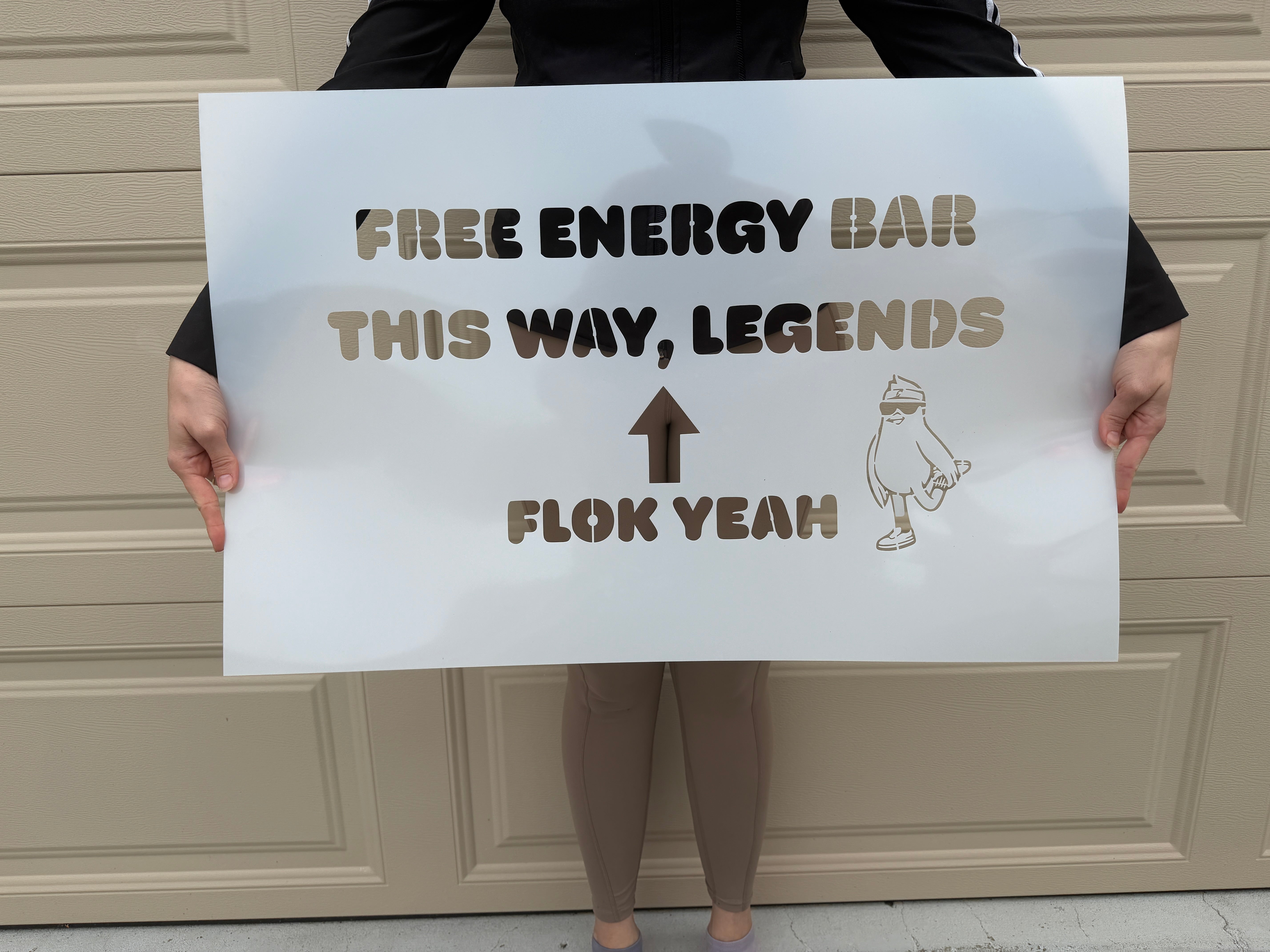
Reusable vs Single-Use Stencils
Not every stencil needs to survive a hundred uses — and paying for that durability when you only need it once is money spent on the wrong thing. Here's how to tell which category your project actually falls into.
What makes a stencil "reusable"
Reusable stencils are built from durable materials — typically mylar or a heavier polypropylene — designed to be cleaned and used again without the edges degrading. They cost more upfront but work out cheaper per use for anything applied repeatedly: warehouse marking, ongoing signage, or a logo used across many products.
What makes a stencil "single-use"
Single-use stencils are typically thinner, lighter, and cheaper, designed for one application — a one-off event, a single feature wall, a temporary promotion. They're not built to survive cleaning and reapplication, but that's not a flaw; it's simply matched to the job.
Cost comparison over time
| Reusable | Single-use | |
|---|---|---|
| Upfront cost | Higher | Lower |
| Cost per use (10+ uses) | Low | High (needs reordering) |
| Best for | Ongoing branding, industrial marking | Events, one-off projects |
A simple way to decide
If you can picture using the same stencil again within the next few months, reusable is almost always the better value. If it's genuinely a one-off — a single mural, a single event banner — a single-use stencil does the job without paying for durability you won't use.
The middle ground
Some projects fall in between — a design you'll use a handful of times over a year, but not constantly. In that case, a mid-weight material offers a reasonable balance: not as durable as heavy-duty mylar, but sturdier than a true single-use option.

Written by Katharine Huth

Leave a comment
This site is protected by hCaptcha and the hCaptcha Privacy Policy and Terms of Service apply.